Battery Storage Boom: Top Options for Home and Grid in 2026
Solar & Renewable Energy
Battery storage has quietly moved from a niche upgrade to a central part of modern energy systems. What once felt like an optional add-on for solar owners is now shaping how homes, businesses, and entire power grids operate.
By 2026, batteries will no longer be just about backup power. They are becoming essential tools for managing rising electricity costs, stabilizing renewable energy, and improving resilience during outages.
This shift reflects a broader change in how electricity is produced and consumed. As solar and wind generation increase, storage fills the gap between when energy is generated and when it is actually needed.
Why Battery Storage Is Now a Core Energy Solution
For decades, electricity followed a simple rule: generate power at the exact moment it is used. That model struggles in a world where solar panels generate the most energy at midday, while demand spikes in the evening.
Energy Shifting for Homes and Utilities
Battery storage allows excess energy to be captured and used later. For homeowners, this means storing solar power during the afternoon and using it after sunset, when electricity rates are often highest.

For utilities, large battery systems play a different role. They respond almost instantly to changes in grid demand, smoothing out fluctuations that once required fossil fuel plants to remain on standby. This fast response has proven valuable for preventing outages and maintaining grid stability.
Residential Battery Storage Options in 2026
Home battery systems have matured into reliable, integrated products rather than experimental hardware. Most modern units combine batteries, inverters, and control software into a single package, reducing installation complexity.
Integrated High-Capacity Systems
Some systems focus on delivering high power output from a single unit. These are designed to support heavy household loads without additional equipment.
Tesla’s Powerwall 3 remains a widely adopted option, offering strong output alongside user-friendly software. Its ability to start large appliances makes it appealing for homeowners who want seamless backup without manual load management.
Modular and Expandable Systems
Other manufacturers emphasize flexibility. Modular systems allow homeowners to start small and add capacity over time as needs change.
Popular modular options in 2026 include:
- Bluetti EP900, which supports large expandable capacity
- Anker Solix X1, designed for stackable growth
- Enphase IQ Battery 5P, focused on reliability and long warranty coverage
- Generac PWRcell, optimized for colder climates
- EcoFlow Delta Pro Ultra, capable of both stationary and portable use
This modular approach lowers the initial barrier to entry while preserving the option to scale up later.
Understanding Costs
Battery storage remains a major investment, even as prices gradually decline. In 2026, a typical home installation often falls between ten and eighteen thousand dollars before incentives.
What the Price Covers
That cost usually includes:
- Battery hardware
- Inverter and control gateway
- Electrical labor and permits
While the upfront expense is significant, incentives play a major role in affordability.
Incentives and Payback Expectations
In many regions, financial returns depend heavily on how utilities credit solar energy sent back to the grid. Where export rates are low, batteries help homeowners capture more value from their own solar production.
In the United States, the federal tax credit continues to reduce costs, though compliance requirements are becoming stricter. Payback periods often fall between seven and twelve years, but financial savings are only part of the picture. Many homeowners value the ability to maintain power during outages just as highly as monthly bill reductions.
Battery Chemistry Trends Shaping 2026
Behind the scenes, battery chemistry has changed significantly. Safety, lifespan, and stability now outweigh compact size in stationary storage applications.
Lithium Iron Phosphate as the Standard
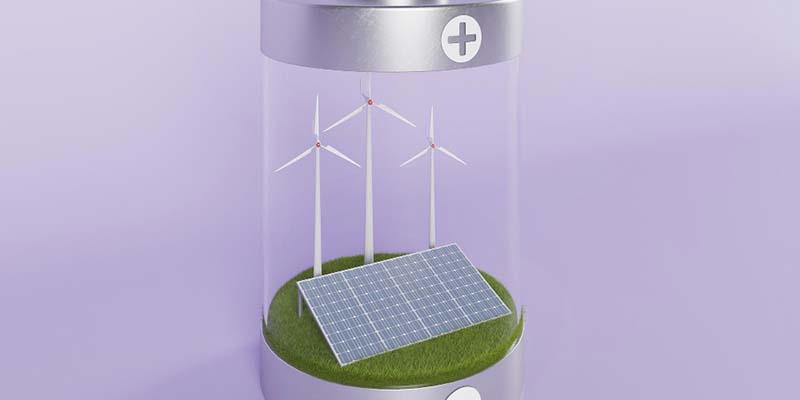
Lithium Iron Phosphate, commonly known as LFP, has become the preferred chemistry for home and grid storage. It offers improved thermal stability and a much longer cycle life compared to older lithium-based designs.
This chemistry is particularly well-suited for systems that charge and discharge daily, as is common with solar energy shifting.
Emerging Sodium-Ion Batteries
Sodium-ion batteries are beginning to enter the market for stationary storage. Sodium is abundant and less expensive to source, which may reduce costs over time.
These batteries perform well in cold environments and are easier to recycle. Their larger size makes them less appealing for compact installations, but for garages or utility rooms, space is often a secondary concern.
Grid-Scale Storage and Long-Duration Solutions
While residential systems typically provide several hours of backup, utilities are exploring storage technologies that can deliver power for much longer periods.
Flow batteries and iron-air systems are being tested for multi-day energy delivery. These technologies aim to support the grid during extended periods of low renewable generation, such as cloudy or windless stretches.
Although not suitable for homes, these developments improve overall grid reliability, indirectly benefiting residential users.
Factors That Affect Real-World Battery Performance
Battery specifications often look straightforward, but real-world performance depends on several variables.
Environmental and System Limits
Key factors that influence usable capacity include:
- Operating temperature, which affects efficiency
- Round-trip losses typically reduce usable energy by up to fifteen percent
- Depth of discharge limits are designed to protect battery health
- Inverter output limits, which cap how many appliances can run at once
A battery may store plenty of energy, yet still struggle if the inverter cannot handle large simultaneous loads.
Common Myths About Home Backup
Many buyers expect a battery to power an entire home indefinitely during an outage. In reality, most systems are designed to support essential loads.
Lighting, refrigeration, internet equipment, and basic appliances can usually be sustained, but high-demand items drain storage quickly. Managing usage during outages is essential to extending backup duration.
AC-Coupled vs DC-Coupled Systems
Installation design also affects performance. AC-coupled batteries integrate easily with existing solar systems, while DC-coupled setups offer slightly higher efficiency but may require replacing older inverters. The added complexity often outweighs the efficiency gains for retrofits.
Looking Ahead at the Battery Storage Boom
The rapid expansion of battery storage reflects a deeper need for flexibility in modern energy systems. For homeowners, batteries offer protection against outages and rising energy costs. For utilities, they provide stability in a grid increasingly powered by renewable sources.
Choosing the right system requires clear expectations, awareness of local incentives, and an honest assessment of critical power needs. When planned carefully, battery storage becomes a durable asset that supports both personal energy independence and broader grid resilience well into the next decade.
Share this article:
Recommended For You





Most Viewed

ADVERTISEMENT